

Visual storytelling through photography is a multi-faceted and dimensional process, capturing moments, scenes, and subjects that tell a narrative or convey your unique message. Here is our process through which storytelling comes alive in our photography capture sessions:
Personality
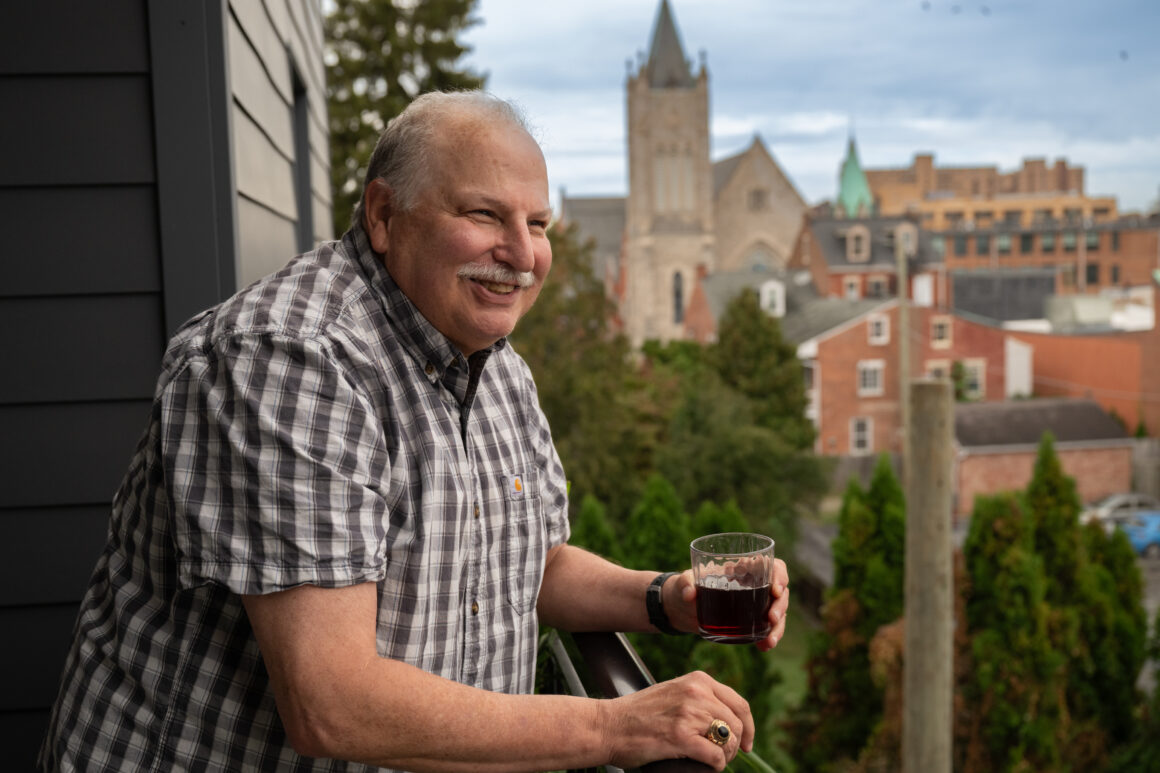
First, we believe that each person is created with their own internal and external beauty. Their personality develops at an early stage in their life and blossoms to who they are in their adult years. Our approach to meeting the person we are about to capture is listening to them, engaging them in small talk as we set up and taking the written word that has been crafted into their story and bringing it to life.




Subject Selection
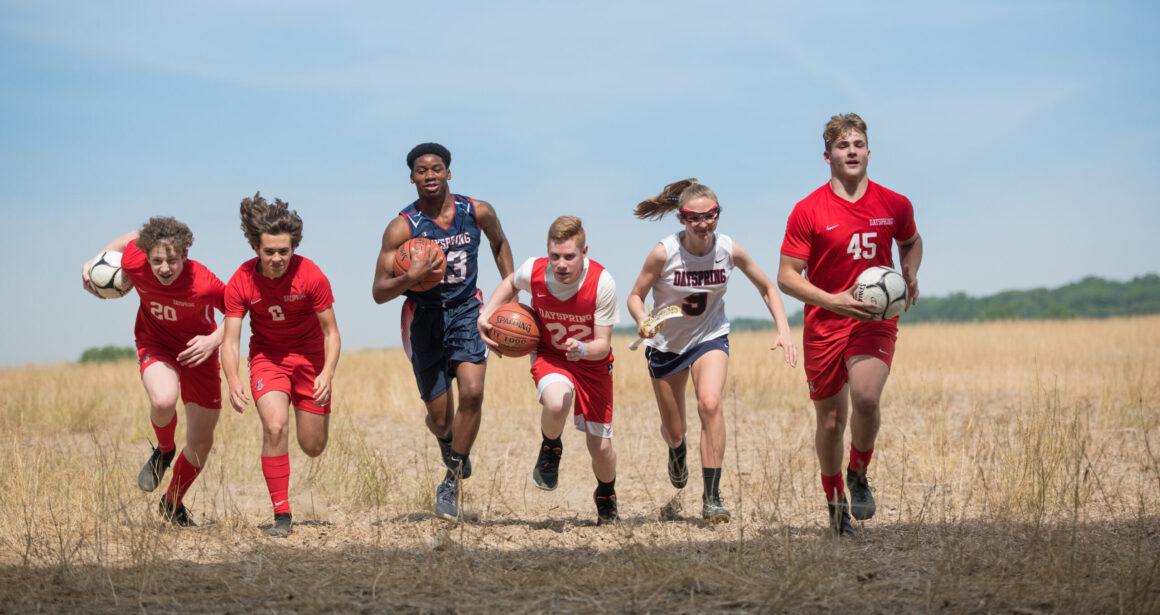
The choice of subjects in a photograph can play a key role in storytelling. Whether it’s a person, a place, a situation, or an object, each subject can contribute to the overall story being told by the photograph.
Composition and Framing
The way a photograph is composed and framed can guide the viewer’s eye and emphasize certain elements within the image. Composition techniques such as leading lines, framing, symmetry, and rule of thirds can be used to create visual interest and direct the storytelling.
Lighting and Mood
Lighting is a crucial element in photography that can set the mood and tone of the story being told. The use of natural light, artificial light, shadows, highlights, and contrast can all influence the emotional impact of a photograph and enhance the storytelling.
Color Palette
The choice of colors in a photograph, especially what people wear when captured, can convey emotions, create atmosphere, and enhance the overall storytelling. Different color palettes can evoke different moods and feelings, adding depth and richness to the narrative.
Capture of Emotions
Capturing the emotions of the subject or the moment being photographed can add a human element to the storytelling. Genuine expressions, gestures, and interactions can bring the viewer into the scene and create a connection with the story being told.
Context and Setting
Providing context and setting within a photograph can help establish a sense of time, place, and environment, enriching the storytelling experience. Details in the background, props, architecture, landscapes, or interiors can all contribute to the narrative being conveyed.
Narrative Sequence
In some cases, a series of photographs can be used to create a visual narrative or a photo story. By presenting images in a sequence, photographers can lead the viewer through a progression of events, emotions, or perspectives, unfolding a story over multiple frames. In layout we often use a sequence for a call-out or to pull in closer to an element in the overall photo, thus sharing a little gem the eye might not see in the larger image.