

As a marketing firm, we understand the power of storytelling in capturing the attention and engaging the audience. It is an age-old tradition that has been used across cultures and societies to entertain, educate, and pass down knowledge from one generation to another.
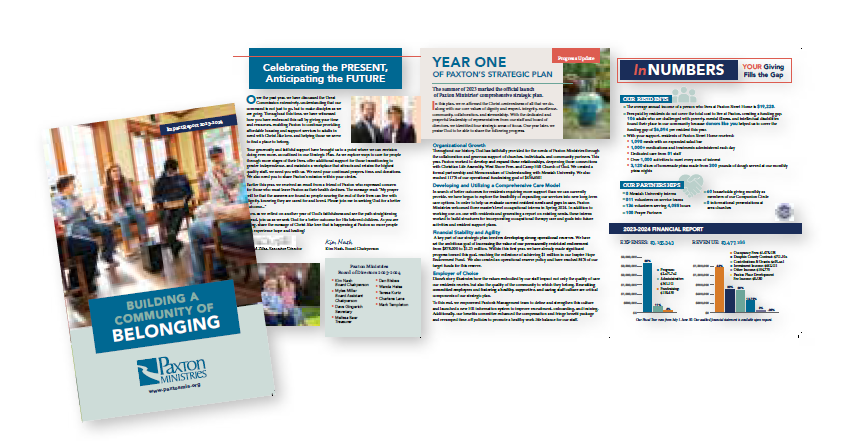
When crafting marketing copy, we use storytelling techniques to bring a client’s brand message to life. By weaving in narratives, anecdotes, and personal experiences, we are able to connect with your audience on a deeper level, evoking emotions and fostering a sense of relatability. This approach not only helps in making the content more engaging but also aids in building brand loyalty and trust.
In producing content for our clients, storytelling plays a pivotal role in creating captivating and memorable pieces. From feature articles to interviews and profiles, we use storytelling to convey the brand’s values, mission, and unique selling points. By telling stories that are authentic, engaging, and relevant, we are able to effectively communicate the brand’s message and connect with the readers on a personal level. Our desire is to create a vivid and immersive experience that allows consumers to become emotionally invested in the story.
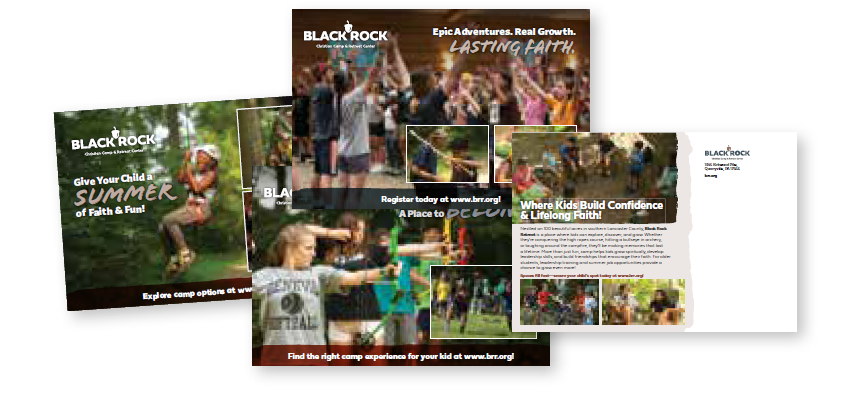
Overall, storytelling is a powerful tool that enables individuals and organizations to communicate ideas, share experiences, and connect with others on a deeper level. It has the ability to inspire, entertain, and influence, making it a valuable skill in various contexts and mediums.


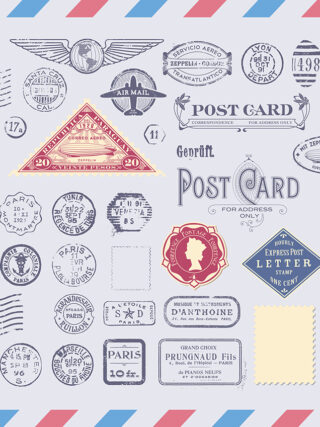




Storytelling through the lens of graphic design involves visually communicating narratives and messages using creative elements such as photography, typography, color, and layout. Our graphic design team enhances storytelling by engaging the audience on an emotional and intellectual level through visual storytelling techniques.
Here are some ways graphic design contributes to storytelling:
Visual Hierarchy
Our graphic designers use visual hierarchy to guide the viewer’s eye through a story by arranging elements in order of importance. This helps in creating a flow of information that mimics the structure of a narrative.
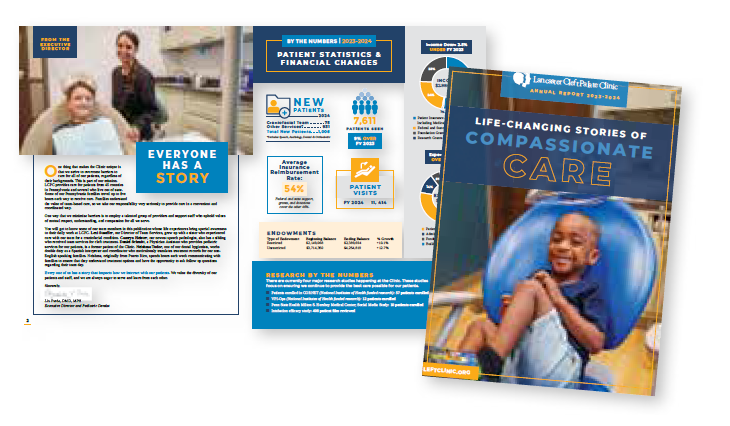
Mood and Tone
Color, typography, and imagery choices play a significant role in setting the mood and tone of a story. Different color palettes and font styles can evoke different emotions and convey the intended message.
Branding and Identity
Our graphic layout will maintain your established brand identity and tell its story visually through logos, brand colors, and visual elements that represent the brand’s values and personality.
Illustration and Imagery
Visual elements such as illustrations and imagery can be used to depict scenes, characters, and emotions, enhancing the storytelling experience and making it more relatable and engaging for the audience.